

Every year, Pwani Oil participates in a coastal environment clean-up exercise along the Indian Ocean shoreline in Kilifi. In just three kilometres of beach, usually collect more than a tonnes of non-biodegradable waste. What is perhaps most striking is not simply the volume of waste, but the variety.
Flip-flops, water bottles, cigarette butts, food wrappers, toys, phone chargers, fishing lines, broken household items and discarded electronics all wash ashore. Yet despite these annual efforts, the cycle continues. We return the following year to find another tonne waiting.
It is difficult not to feel frustrated during these exercises. Every item tells the story of someone who purchased a product, used it briefly and discarded it without considering where it would eventually end up. The ocean has effectively become a dumping ground for habits we refuse to confront on land.

What we see on our beaches, however, is only a small part of a much larger environmental crisis. Scientists estimate that around eight million metric tonnes of plastic enter the oceans every year, while studies suggest that nearly 90 percent of seabirds have ingested plastic.
Marine life throughout the food chain is paying the price for human convenience. Sea turtles mistake plastic bags for jellyfish, fish consume microplastics that eventually find their way back into human diets, and coral reefs already under pressure from climate change are increasingly suffocated by pollution.
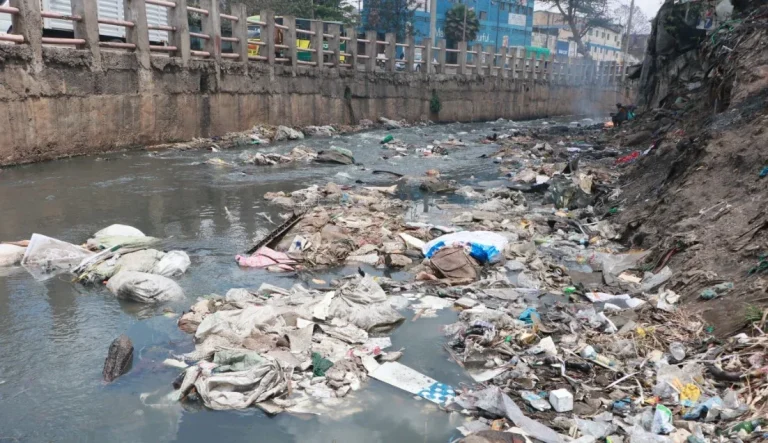
For Kenya, whose coastline supports tourism, fisheries and thousands of livelihoods, the implications are significant. Yet the problem is not confined to the coast. One only needs to observe Nairobi after heavy rainfall to understand how deeply poor waste disposal habits have become embedded in our daily lives.
Plastic bottles clog drainage systems, food packaging blocks waterways and illegal dumping sites emerge almost overnight. Flooding, often attributed solely to weather patterns, is increasingly linked to human behaviour.
The same habits that pollute our beaches are evident in our cities, towns and communities. This points to a wider behavioural and systemic challenge.
Kenya has previously demonstrated that change is possible. The 2017 ban on single-use plastic carrier bags remains one of the country’s boldest environmental policies. Although many predicted widespread resistance, citizens adapted remarkably quickly.
Today, it is difficult to imagine supermarkets and retail outlets returning to the era of thin plastic carrier bags. The experience showed that meaningful behavioural change is achievable when public education and policy work together.
The next phase of the waste challenge is, however, far more complex. Today’s pollution crisis involves consumption patterns, waste management gaps and infrastructure limitations that no single policy or annual clean-up exercise can solve.
I say this as a leader within a company that relies significantly on plastic packaging. Businesses cannot continue to manufacture products while leaving the burden of waste management solely to consumers or government. At Pwani Oil, we are taking steps to design more sustainable packaging, invest in recycling initiatives and support public awareness efforts around responsible disposal.
At the same time, we must be honest about the role citizens play. Building a cleaner country will remain impossible if public spaces continue to be treated as dumping grounds. Throwing waste from car windows, leaving litter after public events and dumping refuse into rivers reflect a broader cultural problem. Environmental stewardship cannot be outsourced.
Importantly, we must focus on reducing the amount of waste that requires collecting in the first place. This means investing in household waste segregation, improving recycling infrastructure, enforcing anti-dumping regulations and encouraging innovation within the circular economy.
Encouraging examples are already emerging across Kenya. Community-based recycling initiatives in Mombasa, Nakuru and Kisumu are demonstrating how waste can become an economic resource. Informal waste collectors, who are often overlooked, recover thousands of tonnes of recyclable material each year while creating livelihoods. Start-ups converting plastic waste into construction materials and paving blocks are proving that environmental sustainability and economic opportunity can coexist.
Counties are also strengthening waste collection systems, but citizens have an equally important responsibility to use these systems properly.
Schools, community organisations and faith institutions also have a role to play. Children who grow up understanding the connection between waste and environmental protection are more likely to become responsible citizens and consumers.
Ultimately, the conversation about waste management is about the kind of society Kenya wants to become. The progress already being made across communities shows that solutions are within reach. Sustaining that progress, however, will require a shared understanding that waste is not somebody else’s problem.
The choices made in our homes, schools, markets, roads, offices and beaches every day will determine whether Kenya becomes a cleaner, healthier and more resilient nation.
By Rajul Malde – Managing Director of Pwani Oil Products Limited.