
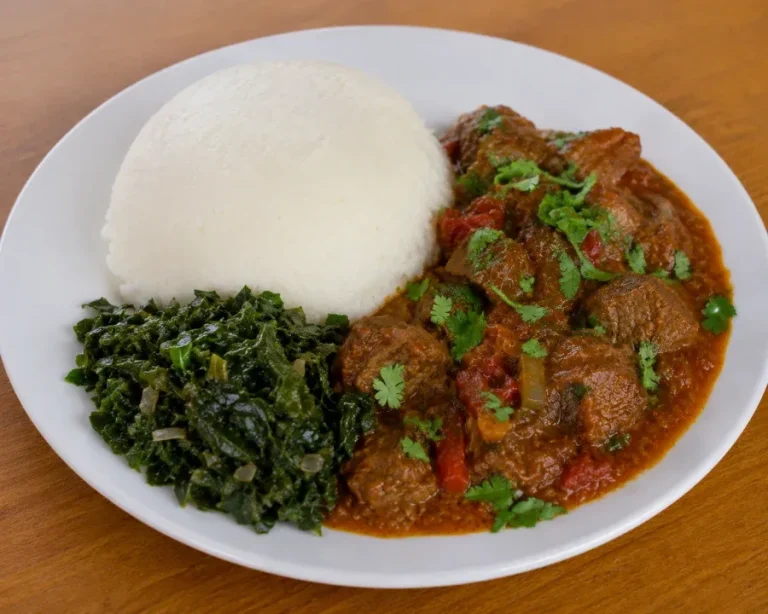

Flour remains one of the most essential household products in Kenya, forming the basis of daily meals such as ugali, porridge and chapati. Yet while consumers often compare prices and brands before making a purchase, questions around food safety and nutritional value rarely influence buying decisions. It was as a response to this that Cereal Millers Association (CMA) launched a food safety campaign.
The Cereal Millers Association (CMA) hopes to change that through a new nationwide consumer awareness campaign dubbed Chagua Safe. Chagua Smart. The campaign seeks to encourage Kenyan families to pay closer attention to the quality, safety and nutritional value of the flour they consume.
The campaign comes at a time when food safety concerns and nutrition deficiencies continue to present public health challenges. This is despite improvements in food production and access across the country.

According to the Kenya Demographic and Health Survey 2022, 18 percent of children under the age of five are stunted, while 10 percent are underweight and 5 percent suffer from wasting. At the same time, micronutrient deficiencies remain widespread, particularly among women and young children.
Cereal Millers Association Chief Executive Officer Paloma Fernandes said consumer awareness remains a critical missing link in efforts to improve nutrition outcomes.
“Every Kenyan family deserves access to information that helps them make informed decisions about the food they consume. Through Chagua Safe. Chagua Smart., we want to make food safety and nutrition part of everyday conversations in Kenyan homes.”
The campaign will focus on two areas that often receive limited public attention: food fortification and food safety. Fortification involves the addition of essential nutrients to staple foods such as maize and wheat flour. In Kenya, packaged maize and wheat flour are required by law to be fortified with nutrients including iron, zinc, Vitamin A, folic acid and B vitamins.
Health experts have long identified maize flour as one of the most effective vehicles for improving nutrition because of its widespread consumption. Findings from the Kenya National Micronutrient Survey show that maize flour is consumed by a majority of households across different income groups and regions, making it an important tool in addressing nutritional deficiencies.
The campaign also aims to increase awareness about aflatoxin contamination, a persistent challenge within Kenya’s food system. Aflatoxins are naturally occurring toxins that develop in poorly dried or improperly stored grains and cereals. Because they cannot be seen, smelled or tasted, contaminated food often reaches consumers without their knowledge.
Several cases of aflatoxin contamination have been reported in Kenya over the years, particularly in maize-producing regions, highlighting the importance of proper post-harvest handling, storage and quality control.
The launch of the campaign also aligns with ongoing efforts by regulators and industry players to strengthen food safety standards in the country. Recent public education initiatives by the Competition Authority of Kenya and food sector stakeholders have similarly emphasized the need for consumers to understand product quality, labelling and compliance standards.
For consumers, the campaign delivers a simple message: the cheapest flour on the shelf may not always offer the best value if safety and nutritional quality are overlooked.
As the cost of living continues to influence household spending decisions, industry players argue that there is need for greater awareness about fortified foods and food safety. This will help families make choices that not only stretch household budgets but also contribute to better health outcomes.