
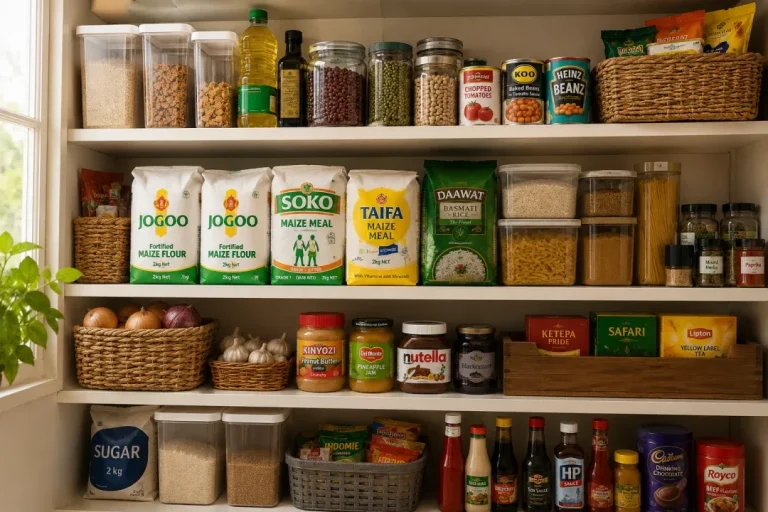

Food as we know it is meant to nourish our bodies, however, there are organisms which are at times found in various food items which can make it unsafe. Yet every day, millions of Kenyans consume food without knowing whether it is safe or not. It was due to this that Cereal Millers Association (CMA) launched their Chagua Safe.Chagua Smart campaign to enhance food safety.
CMA is an association that represents the grain milling industry comprising of varied wheat, maize, and other cereals millers in Kenya. With members comprising of 32 large grain milling companies representing about 40% of total grain milling capacity in Kenya.
The Chagua Safe. Chagua Smart campaign was launched with the view of educating consumers about food safety, flour fortification and nutrition.

While shopping for maize flour, we find that most people focus on the price and brand without taking time to think about food safety which is key. However, in Kenya aflatoxin contamination especially in maize and maize flour is one the most pressing food safety issue.
Aflatoxins
Aflatoxins are a silent threat, as they are invisible to the eye and have no smell or taste. As such consumers are urged to consider quality over price and to prioritize food safety every time they are making a purchase.
Aflatoxins are naturally occurring toxins produced by certain fungi that thrive in warm and humid conditions. They can contaminate crops such as maize, groundnuts and cereals before harvest or during storage if conditions are not properly managed.
Because maize is a staple food in Kenya, the risks associated with aflatoxin contamination are particularly significant. A bag of maize or packet of flour may appear perfectly normal even when contaminated, making it impossible for consumers to detect the toxin without proper testing.
Repeated exposure to aflatoxins has serious health consequences. According to research long-term consumption of contaminated food leads to liver damage, weakened immunity and a risk of liver cancer. Children are especially vulnerable, as prolonged exposure has an effect on healthy growth and development.
Unlike many foodborne illnesses that have immediate symptoms, aflatoxin exposure builds up over time. This makes prevention the most effective form of protection.
Choosing the Right Products
In as much as consumers are not able to test food themselves, they can reduce the risk by purchasing maize flour from reputable millers.
This is because commercial millers that comply with Kenya’s food safety regulations invest in quality control systems. These include regular testing of raw materials for contaminants such as aflatoxins before flour reaches supermarket shelves.
As such buying food from reputable manufacturers and retailers is important as it provides greater assurance that products have undergone the necessary safety checks.
Keeping Food Safe at Home
Food safety does not end when we make the purchase. There is also need for proper handling and storage at home so as to help reduce the risk of contamination.
Here are some practical food safety tips.
- Buy maize flour and cereals from trusted brands and reputable retailers.
- Check that packaging is sealed and free from tears or moisture damage.
- Always check the expiry date before purchasing.
- Store flour and grains in clean, dry, airtight containers away from moisture.
- Keep food storage areas clean and well ventilated.
- Avoid consuming food that has developed mold, even if only a small portion appears affected.
- Practice good kitchen hygiene by washing hands, utensils and preparation surfaces regularly.
- Rotate stored food and use older stock first to avoid prolonged storage.
Reducing the risk of aflatoxin contamination requires action across the food value chain. Farmers need proper drying and storage facilities, millers need to maintain rigorous testing and quality control. Retailers should only stock products from compliant manufacturers, while regulators must continue enforcing food safety standards.
Consumers also have an important role by choosing products from manufacturers that prioritize food safety as well as storing food correctly at home. By doing this, they can help create demand for safer food across the market.