
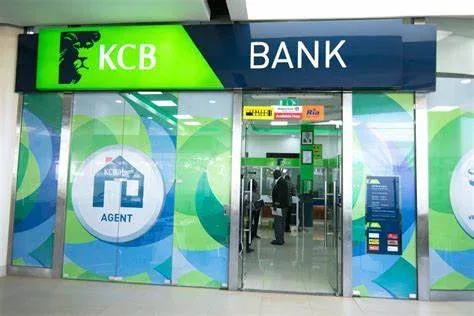

KCB Bank has secured a KSh12.9 billion financing facility from the European Bank for Reconstruction and Development (EBRD). This is meant to expand lending to MSMEs providing fresh capital for businesses that continue to face challenges accessing affordable credit.
The facility will support entrepreneurs across key sectors of the economy, with a strong focus on businesses that have traditionally struggled to secure financing. Under the agreement, 35% of the funding will be allocated to women- and youth-led enterprises. While 30% will finance eligible green investments, including renewable energy, climate-smart agriculture and other environmentally sustainable projects.
Expanding access to credit
Access to affordable financing remains one of the biggest obstacles facing Kenya’s MSMEs. This is despite the sector accounting for the majority of businesses and a significant share of employment.

By providing KCB with additional long-term funding, the facility is expected to strengthen the bank’s capacity to lend to businesses looking to expand, invest in new technologies and create jobs.
EBRD Managing Director for Sub-Saharan Africa, Dr. Heike Harmgart, said the partnership reflects the institution’s commitment to supporting private sector growth in Kenya.
“This investment marks our first investment in Kenya’s financial sector. By partnering with KCB Bank, we are helping to channel much-needed financing to MSMEs, the engines of job creation and economic growth. We are particularly pleased that this facility will contribute to the transition to a greener economy and will expand opportunities for women and young entrepreneurs, whose success is critical to Kenya’s long-term prosperity,” she said.
Supporting women and youth led businesses
More than one-third of the facility has been earmarked for businesses owned or led by women and young entrepreneurs. These groups often encounter greater barriers when seeking commercial financing despite their growing contribution to Kenya’s economy.
The funding builds on KCB’s existing efforts to support female entrepreneurs. Through its Female-Led & Made Enterprises (FLME) proposition, the bank has already disbursed more than KSh156 billion to women-owned businesses.
Accelerating green finance
Thirty per cent of the facility will be directed towards green investments, enabling businesses to finance renewable energy projects. As well as adopt energy-efficient technologies and invest in climate-smart agricultural practices.
KCB has steadily expanded its sustainable finance portfolio in recent years. The bank has already disbursed more than KSh48.8 billion in green financing to support environmentally sustainable investments across Kenya.
In addition to providing funding, EBRD will offer technical assistance to help KCB strengthen its green lending capabilities. This will be through specialized training, advisory support and technical expertise. Thus enabling the bank to assess and finance environmentally sustainable projects more effectively.
KCB’s SME strategy
KCB says the new funding aligns with its broader strategy of supporting businesses that drive economic growth and employment.
Managing Director Annastacia Kimtai said the facility would allow the bank to reach more entrepreneurs while advancing Kenya’s sustainability agenda.
“This facility will strengthen our capacity to extend affordable financing to SMEs, particularly those who have traditionally faced barriers in accessing credit. We remain committed to sustainable finance by increasing investments in renewable energy, climate-smart agriculture and other green projects that contribute to Kenya’s climate ambitions while creating long-term economic value,” she said.
By the end of March 2026, KCB had extended KSh13 billion in new credit to MSMEs. This highlights the bank’s continued focus on supporting the sector despite a challenging lending environment.
Why it matters
Beyond the funding itself, the agreement reflects growing interest from international development finance institutions in supporting Kenya’s private sector through local financial institutions.
For MSMEs, access to long-term, affordable capital remains critical to expanding operations, adopting new technologies and creating employment.
At the same time, targeted financing for women entrepreneurs and climate-smart businesses aligns with Kenya’s broader development priorities of promoting financial inclusion while supporting the transition to a more sustainable economy.