

Agriculture is the backbone of Kenya’s economy, contributing 25.69% of our Gross Domestic Product (GDP) in Q1 2025. However, for the longest time access to capital has been the biggest obstacles for farmers and agribusinesses. It was as a response to this that NCBA Bank developed solutions for this key sector.
NCBA’s Head of Agribusiness in Corporate Banking, William Muguima had this to say, “Agriculture indirectly accounts for around 60% of all the jobs in this country. As a bank, first of all, it is significant when we look at our business. Number two, socially, agriculture makes sure that we have food as a country, which is the more reason why as a bank we are so keen on supporting the sector.”
This approach has shaped NCBA’s agribusiness strategy, which finances different businesses across the agricultural value chain.

Here are some of the agribusiness solutions provided by NCBA.
Input Financing
At the farm level, NCBA offers financing targeted at their production needs. This includes loans that help farmers purchase essential inputs such as fertilizer, certified seedlings, pesticides among others.
For farmers who would like to invest in irrigation, the bank supports projects such as borehole development and irrigation equipment. With climate change, this is increasingly becoming crucial as farmers deal with irregular rainfall.
NCBA has structured its products around several agricultural subsectors, including dairy, horticulture, tea, coffee, sugar, industrial crops, and agri-processing. Whereby they have come up with a solution for each subsector. For dairy farmers, financing covers feed, veterinary services, artificial insemination, and infrastructure.
Asset finance
NCBA is among the biggest players in asset finance within the Kenyan market, accounting for 36% of all asset finance business that is done in the country. As such, it has tailor made products for agribusinesses that need vehicles, transport equipment, machinery, or storage solutions.
Asset finance helps businesses acquire productive assets without large upfront capital expenditure. Which would have been a big obstacle for agribusinesses that are trying to scale their operations.
A majority of agribusinesses usually outsource their transport as they can’t afford to buy a vehicle outright. In the long run this leads to high transport costs as well as delays should the vehicle not be available for hire. However, the bank enables agribusinesses to solve this by empowering them to purchase vehicles through manageable monthly installments thereby reducing logistics expenses.
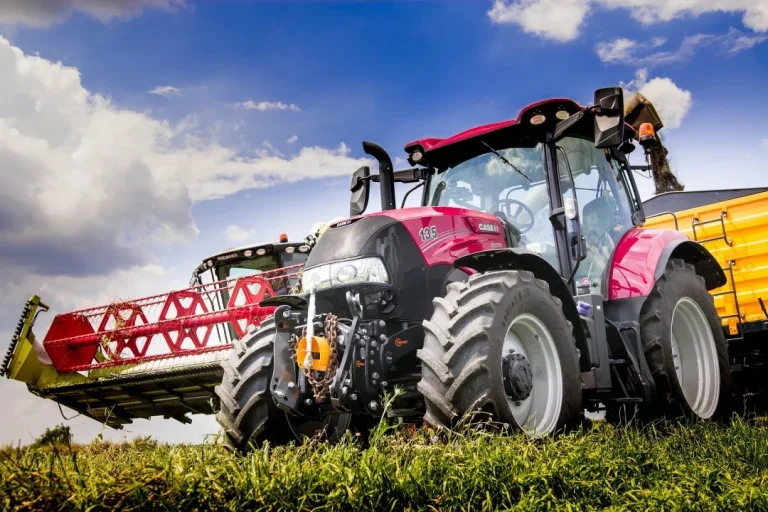
The NCBA Asset finance supports purchases of equipment such as tractors, delivery vans, cold storage equipment, processing machinery, and packaging equipment.
Agricultural Processing
Agribusiness does not just revolve around production but also includes the processing of the raw materials into finished goods.
NCBA provides financing for businesses involved in value addition and processing. This includes facilities for processors handling grain milling, fruit canning, fresh produce packaging, tea processing among others.
Given how capital-intensive food processing is, the bank offers longer-term capital investments particularly for machinery and factory equipment. By financing this segment, banks gains exposure to businesses with more predictable cash flows while helping strengthen local value chains.
Distributor Financing
Other than input and agricultural processing financing, NCBA also offers distributor financing. Whereby the bank offers financing for distributors, transporters, warehousing businesses, and other logistics players involved in moving agricultural goods.
Here the bank generally offers asset finance for transport vehicles. This is particularly relevant in sectors such as tea, horticulture, dairy, and export agriculture, where delays in logistics can directly affect product quality and revenues.
NCBA also finances brokers and intermediaries operating within formal agricultural value chains. A good example of this is the tea sector where they finance farmers, tea factories, transporters, and the brokers.
Shamba Loans
For farmers looking to purchase land, NCBA offers what it refers to as shamba loans. This product supports customers who want to acquire agricultural land, a common challenge for young farmers or those looking to expand.
Shamba loans help agribusinesses move from leasing land into owning property, which goes a long way in improving planning and reducing costs in the long run.
Loans for Smallholder Farmers
One of the main challenges in agricultural financing is that many smallholder farmers do not meet conventional bank lending requirements. This is due to the fact that they generally don’t keep records as well as very unpredictable incomes based on seasons.
To overcome this challenge, NCBA uses program-based financing anchored on organized agribusinesses. Under this structure, farmers linked to larger businesses, cooperatives, or aggregators can be able to access financing.
This is because when the bank lends to farmers in an organized ecosystem for example in a Sacco, the business or in this case the Sacco can be able to manage the farmers on the bank’s behalf. This reduces individual risk assessment barriers while extending financing to farmers who might otherwise have remained excluded.
Insurance
For those who have ever ventured into farming, crop failure is a real risk that has ended the careers of many budding farmers myself included. This is largely due to weather, pests and disease outbreaks with climate change not making things easier.
To counter this, NCBA offers crop insurance whereby the bank covers risks linked to crop failure and agricultural losses. In a scenario whereby a farmer losses his crop due to pest and diseases or say flooding, they are duly compensated for the loss which enables them to continue farming.
Industry Forums
Beyond financing, NCBA also supports farmers through industry forums and training sessions. These forums bring together farmers, buyers, processors, and other industry players.
The sessions are designed to share knowledge, market information, and practical business guidance. Thus, enabling the farmers to scale their operations.
Farmers also receive financial literacy support after taking up facilities which goes a long way in helping businesses manage funding responsibly.
From input financing and irrigation loans to asset finance, land acquisition, crop insurance, and structured programs for smallholder farmers. The bank is working to ensure the success of this key sector of the economy, so if you are an agri-prenuer looking to expand, look no further than NCBA Bank.