The number of specialists trained to perform fistula surgery remains low. That limits how many patients can be treated at any given time and contributes to the backlog.
Christine Muthengi, a vesicovaginal fistula nurse and trainer, said some patients had lived with the condition for decades, with cases going as far back as 1991.
“Obstetric fistula is a devastating childbirth injury that causes chronic incontinence, deep physical trauma and social isolation, from constant leakage to resultant foul smell. Women and girls are forced into hiding for years, to save them from shame,” she said.
Many women still avoid seeking treatment because of stigma. Some hide the condition for years, which delays care and makes recovery harder.
Muthengi said lack of awareness also plays a role, with some patients not recognising the condition or knowing that treatment is available.
Murang’a County reports a 96 percent skilled birth attendance rate and a teenage pregnancy rate of 7 percent. Even so, fistula cases continue to be reported.
Poverty, early and unintended pregnancies, misdiagnosis, and delays in emergency obstetric care remain key risk factors.
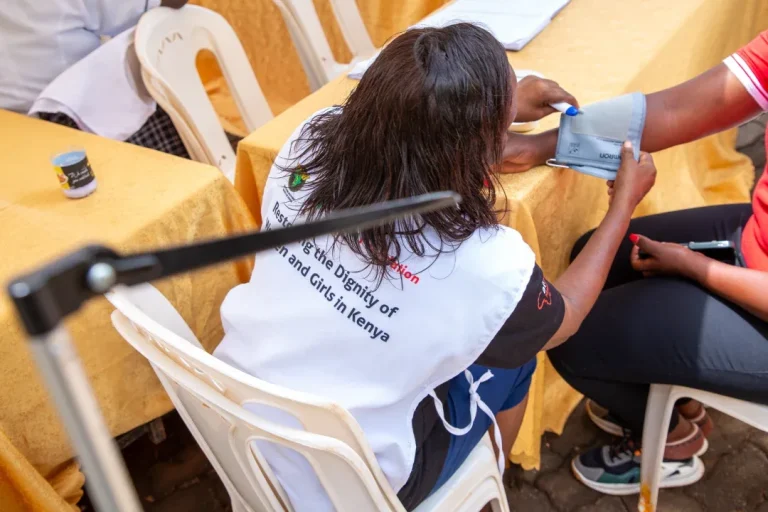
The camp, which ended this week, mobilised 449 women and girls. Those with severe cases received surgery, while others were screened and referred for follow-up care.
The initiative involved the M-Pesa Foundation, the Ministry of Health, and the Murang’a County Government, with clinical support from Amref Health Africa and the Flying Doctors.
The M-Pesa Foundation committed KES 8.1 million to support the camp. This is part of a wider KES 213 million investment that has helped more than 1,500 women access treatment in high-burden counties.
Patricia Ithau, trustee at the foundation, said: “No woman should have to suffer in silence. Fistula surgery may seem like a simple procedure, but the transformation it brings to a woman’s dignity, health and future is profound.”
The backlog of fistula cases points to gaps in timely maternal care and limited surgical capacity. Camps like the one in Murang’a increase access to treatment, but reducing the numbers will depend on faster emergency care and more trained specialists.