

NCBA Bank is stepping up efforts to help Kenyan SMEs access international markets. This is as new trade opportunities emerge across Africa, Europe, the United States and China.
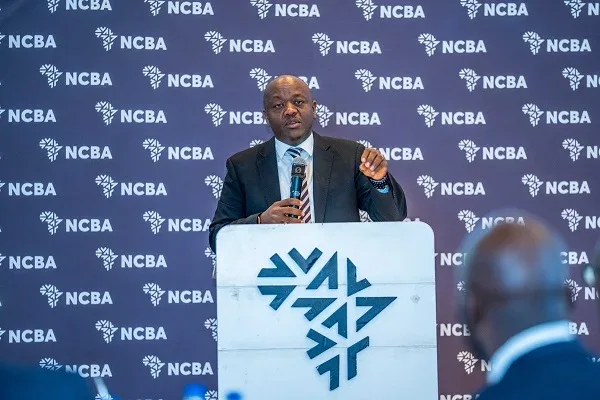
The bank recently convened its SME Exporters Forum, bringing together government representatives, the Kenya Export Promotion and Branding Agency (KEPROBA). Together with development partners, exporters and other industry stakeholders to discuss ways of strengthening Kenya’s export ecosystem.
The forum focused on some of the practical challenges that businesses face when expanding beyond the domestic market. These include access to finance, working capital, foreign exchange, market intelligence and trade expertise.

NCBA showcased its integrated Trade Finance and Global Markets solutions. These are designed to support businesses across different stages of the export journey.
The solutions include trade financing and working capital facilities, alongside foreign exchange, hedging and market intelligence services. These are intended to help exporters manage the financial and currency risks that come with cross-border transactions while making informed decisions about entering new markets.
The push comes as Kenya seeks to expand its export base and improve the country’s trade position. Kenya’s merchandise exports grew by more than 10 percent in 2024 to exceed KSh1.1 trillion. However, the KNBS Economic Survey 2026 shows that the country’s merchandise trade deficit widened to about KSh1.65 trillion in 2025. This highlights the need to increase exports, strengthen local value addition and help more businesses compete internationally.
For Kenyan SMEs, the challenge is not necessarily a lack of products that can find demand abroad. The bigger hurdle is often having the capacity and financial support required to fulfil international orders and manage the complexities of cross-border trade.
NCBA Group Director, Retail Banking, Dennis Njau said, “Kenya does not lack products the world wants. Our task now is to ensure more Kenyan businesses have what they need to take those products to the world,” Njau said.
He added that access to markets needs to be matched with financing, trade expertise and partnerships that can help businesses navigate international commerce.
The opportunities available to Kenyan exporters are also expanding. The African Continental Free Trade Area (AfCFTA) is opening access to a wider continental market. At the same time Kenya’s existing trade arrangements with the European Union and United States provide additional opportunities for local producers.
China has also created a new opportunity for Kenyan exporters after agreeing to provide approximately 98.2 percent zero-duty market access. This will be for eligible Kenyan products under the Early Harvest Agreement.
However, gaining access to these markets does not automatically translate into export growth. Businesses need to understand demand in target markets, meet regulatory requirements. Not to mention manage foreign exchange exposure and secure sufficient working capital to fulfil orders.
This is where financial institutions can play a role beyond providing conventional business loans. Through its trade finance offering, NCBA is seeking to support businesses with the financing and transaction capabilities required to participate in international trade. While its Global Markets solutions provide tools for managing currency exposure and accessing market information.
KEPROBA Economic Intelligence Officer Kevin Oluoch said collaboration between government, financial institutions, development partners and the private sector will be important in helping Kenyan businesses take advantage of emerging export opportunities.
“Kenya’s export ambitions will only be realised through strong partnerships between government, financial institutions, development partners and the private sector,” Oluoch said.
The need for collaboration is particularly important for SMEs, which may lack the financial and technical resources of larger exporters. However, they have the potential to expand Kenya’s export base if the right support is available.
NCBA plans to build on the forum later this year through its annual China Market Linkage Program. This will connect Kenyan businesses with potential buyers, suppliers and strategic partners in China.
The program is expected to give participating businesses an opportunity to explore commercial relationships in one of the world’s largest trading markets. This will be while gaining a better understanding of the opportunities available to Kenyan exporters.
For Kenya, increasing the number of businesses that successfully enter international markets could help broaden the country’s export base. As well as increase foreign exchange earnings and create opportunities for local value addition.