
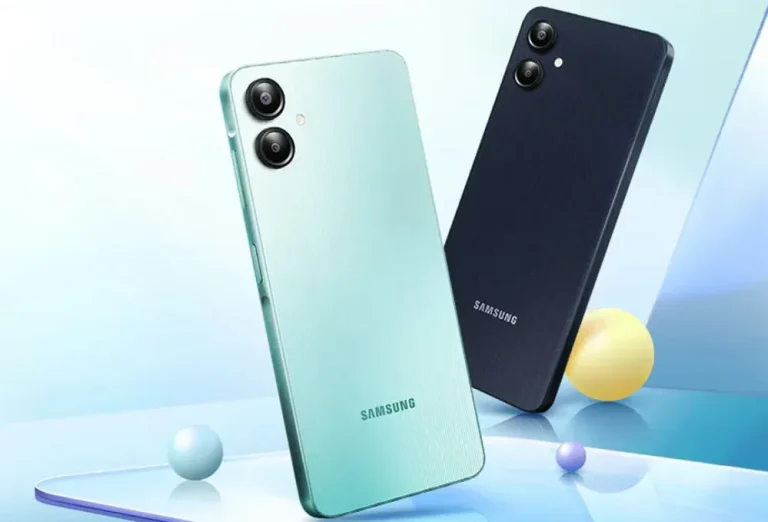

Samsung is pushing AI into more hands in Kenya, moving beyond high-end devices and into products that more people can afford. The company is rolling out Galaxy AI in its smartphones and extending similar capabilities to home appliances through its Bespoke AI range.
Samsung is treating AI as a standard feature across its ecosystem. That includes mid-range phones and connected home devices, a shift that reflects how people in Nairobi and across Kenya actually use technology.
One of the more practical changes is the use of on-device AI. Instead of relying on the cloud, many Galaxy AI features run directly on the phone. That matters in a market where internet access can be inconsistent and data costs can be prohibitive.
With this setup, tools like translation, note summaries, and media editing remain available even with limited connectivity. It also reduces the need for constant data use, which makes a difference for everyday users.
For many people in Kenya, the smartphone handles work, communication, and content creation. Samsung is leaning into that. Galaxy AI supports tasks like video editing and real-time translation without the need for extra software or high-speed connections. That makes the device more useful for freelancers, small business owners, and creators who rely on their phones to get work done.
The same thinking is showing up in Samsung’s home appliances. Through the SmartThings app, devices like fridges and washing machines can adjust how they use power and resources.
Features such as AI Energy Mode help manage electricity consumption, while AI-enabled washing machines adjust water and detergent levels based on the load. AI Inverter Technology is designed to handle power fluctuations, which are still a common issue in many areas.
Samsung is also working with institutions like Jomo Kenyatta University of Agriculture and Technology to support training and development around AI. The aim is to build local skills and make these tools more relevant in a Kenyan context.
This approach reflects a wider change in the market. The conversation is moving away from premium hardware to how technology fits into daily use.
For you, it means more access to AI features without needing to buy top-tier devices. The emphasis is on function, cost, and how well the technology fits into everyday routines.