
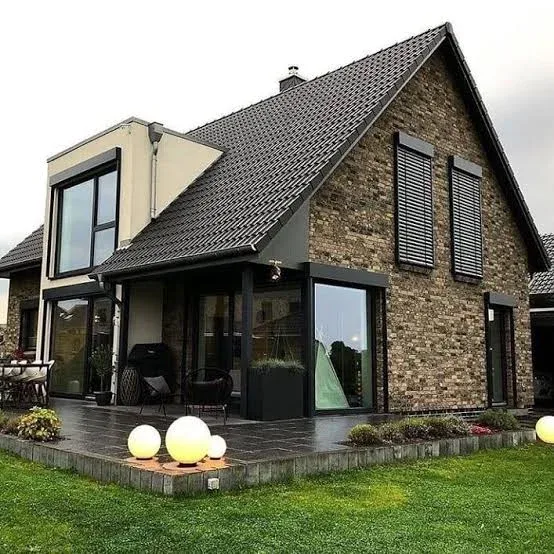

With the many construction projects going on, the thought of putting up your own building has probably crossed your mind as you stroll or drive around Kenya. It’s an inspiring sight to see but what many don’t consider is the hassle that comes with it not to mention the building permit.
Whether you’re planning a residential or commercial development, one of the first and most important steps is obtaining a building permit from the relevant authorities to ensure your project is compliant, legal, and safe.
A building permit is a legal requirement for any construction, renovation or expansion project. It ensures that the building meets the standards of the National Building Code 2024. Failing to obtain the necessary building permit leads to serious consequences which include:
- Fines
- Mandatory inspections
- Demolition
The type of building permit you need varies depending on the construction project. However, the standard permits that every construction project requires are the following:
County Government Approvals
These approvals ensure that your construction meets the regional standards. They include:
- Building plan approval – the county government will inspect your documents to check whether your planned construction meets the aesthetic, functional and legal requirements. You need to submit architectural drawings, proof of land ownership, land rates clearance certificate, and a survey map.
- Land Use and Development Permit – this is to verify that the land is zoned for the type of building you intend on putting up e.g commercial or residential development.
- Water and Sewer Connection Approval – the county will inspect the sewer and water connection to ensure it meets the standards.
- Road Access Approval – this is a requirement if your property connects to a public road. It verifies that your construction isn’t on an area reserved for a public road or doesn’t hinder access to public roads.
- Fire Safety Approval – your building plan must meet fire safety regulations, especially a commercial or multi-storey building. Ensure that your building plans include safety protocols such as fire exits and assembly points to meet this requirement.
NEMA Approvals
Before any construction work begins, NEMA needs to issue an Environmental Impact Assessment (EIA) to inspect your project’s environmental impact. If there are any potential disruptions or pollution, it will give recommendations. Once your project meets the standards, you will get clearance.
National Construction Authority (NCA) Approvals
These verify that your contractor and project meet the industry standard. They include:
- Contractor Registration – the contractor in charge of your project has to be NCA-registered with a valid license. He must also have insurance and be compliant with labour laws.
- Project Registration – You must register your project with NCA to ensure your project gets approved. You should submit building plans, professional certificates, Bill of quantities, and signed contracts. This application costs Ksh 5,000.
- Site Inspections – NCA will conduct an inspection before construction begins to ensure that every standard has been met. They also have the mandate to carry out regular and surprise inspections as your project continues. Inspection usually costs Ksh 5,000.
- Certificates – Once you completed inspection and made payments, NCA will issue a Provisional Compliance Certificate valid for 90 days and a final Compliance Certificate if no violations occur. This costs Ksh 5,000
Note: You must put a construction sign board on your premises. This typically costs Ksh 25,000.
Application process for a building permit in Kenya
Verify land ownership and zoning
You should be the registered owner of the piece of land you intend on developing. To check for land ownership, you need to conduct a land search. You should also check the land owning to know whether you can put up a residential or commercial property. For this, you need a survey/deed plan which you can get from the Survey of Kenya.
- Contract registered professionals: You need to hire professionals who will be in charge of your project. The key professionals needed are an Architect (BORAQS-registered) and a Structural Engineer (EBK-registered). They will design the building, prepare drawings, sign and stamp all submissions.
- Prepare documents: You should compile all the documents you need for the application process. They include architectural drawings, structural drawings, Bill of quantities, site plan, Title Deed, copy of owner’s ID and KRA PIN, and professional licenses.
- Apply for NEMA Approval: Stand alone homes don’t typically need a full EIA. You can simply apply for an environmental project report. For apartments and other commercial blocks, you must apply for a full EIA. The process takes around 5 days. You will be required to pay a fee of Ksh 10,000 to get a NEMA approval letter or license to show that the project can proceed to the next step.
- Apply for county government approval: To submit your application, you can visit the county offices or use their official website. You need to fill the application form and attach the relevant documents which include signed and stamped drawings, survey map, NEMA approval letter/license and professional licenses.
- Await review: Your application will be reviewed by several departments in the county government which include Physical Planning, Structural Engineering, Architecture, Public Health, and Fire Department. They will issue a report on your application stating whether it is approved, rejected or returned for corrections. If it is returned for corrections, you can make the recommended changes and submit another application.
- Pay the permit fees: Once your application is approved, the county government will assess the needed permit fees and issue an invoice. This includes 1% of the project value, and a construction signboard Ksh 25,000. This process takes around 45 days.
- Get a building permit: After payment, the architect must submit hard copies of the architectural and structural plans to be stamped by the County Government. You can only start construction when the plans have been stamped. The stamped plans will then be uploaded in the system for the architect to download. The county will also issue a building permit.
- Register the project with NCA: Lastly, you must register your project with NCA to obtain a compliance certificate. You can get the registration form on their official website. Ensure that you attach all the required documents which include stamped architectural and structural plans, NEMA approval, Bill of quantities, signed contacts, and professional certificates. You will then pay the application fee of Ksh 5,000 and submit your application. NCA will issue an invoice of the building levy for your construction project. This is usually 0.5% of the project value for projects valued over Ksh 5,000,000 which you should pay to NCA. NCA will visit your site to verify that it meets the requirements. You will then receive an invoice for the inspection which is typically Ksh 5,000 and another for the Certificate which is Ksh 5,000. Once your project is approved, you will get a Provisional Compliance Certificate within a day valid for 90 days then a full Compliance Certificate. It takes approximately 7 days.
- Begin construction: You can now begin construction exactly as approved. NCA and County officers may visit your project without notice to verify that your construction is done according to the approvals.